
DCXTribe · Articles
The Article Library
Every practical article across AI, CX, resilience and leadership — search by topic, or filter by the format you prefer.
How to Migrate an App from Lovable to Cloudflare + OpenRouter + Supabase (with an AI Agent)
Ready to move beyond Lovable's bundled backend? This guide provides a battle-tested roadmap for migrating your app to a self-managed stack using Supabase, Cloudflare, and OpenRouter, all while leveraging AI coding agents to handle the technical heavy lifting safely.
Read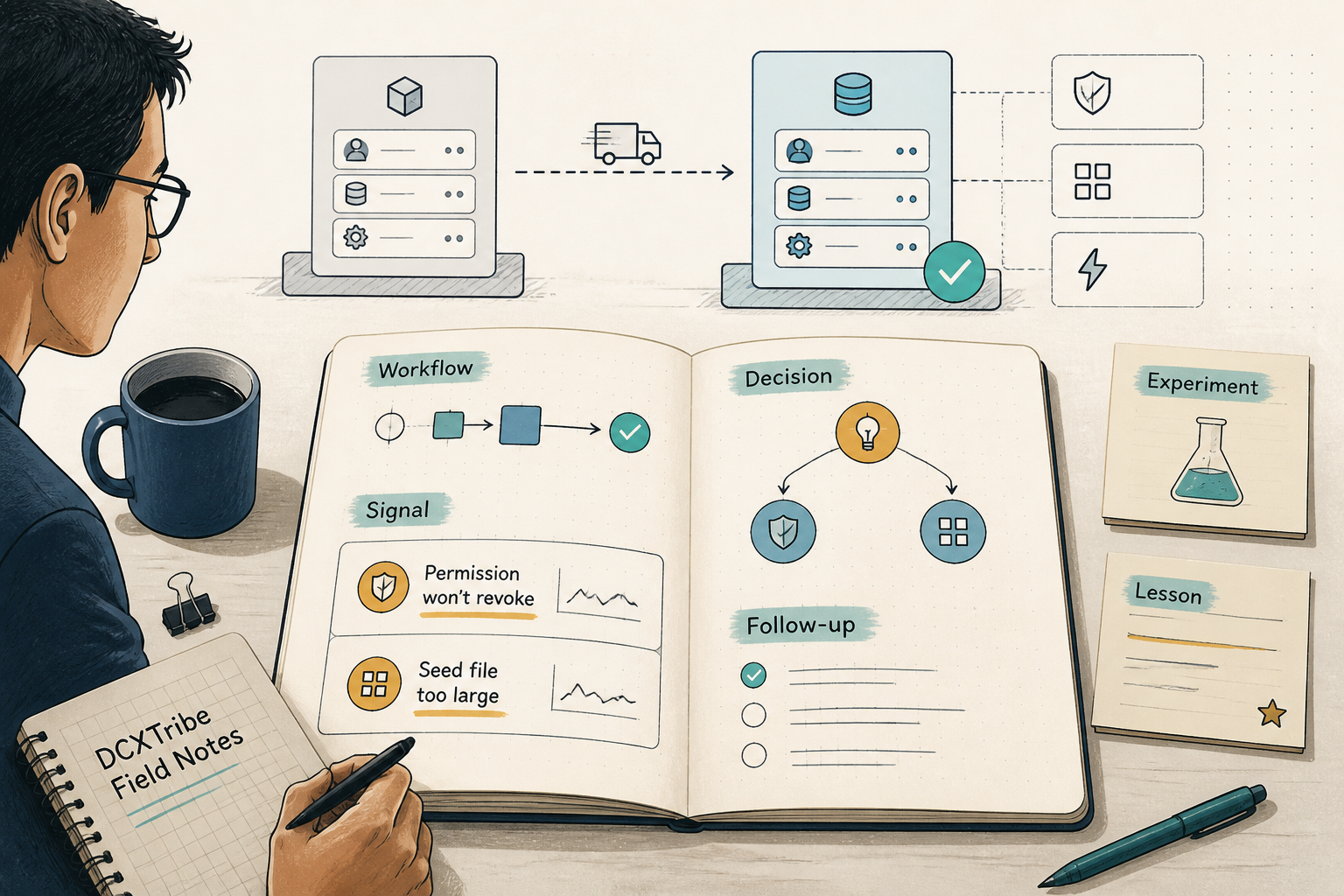
Field Notes: Migrating Off Lovable to a Dedicated Supabase Stack
Moving from a bundled Lovable instance to a dedicated Supabase stack is a rite of passage for scaling apps. This field note details the migration process, from governing irreversible infrastructure costs to overcoming the 'PUBLIC' role trap in Postgres security. Learn why the Supabase CLI is your best friend for large seed files and how to use migration day as a forced checkpoint for data hygiene.
Read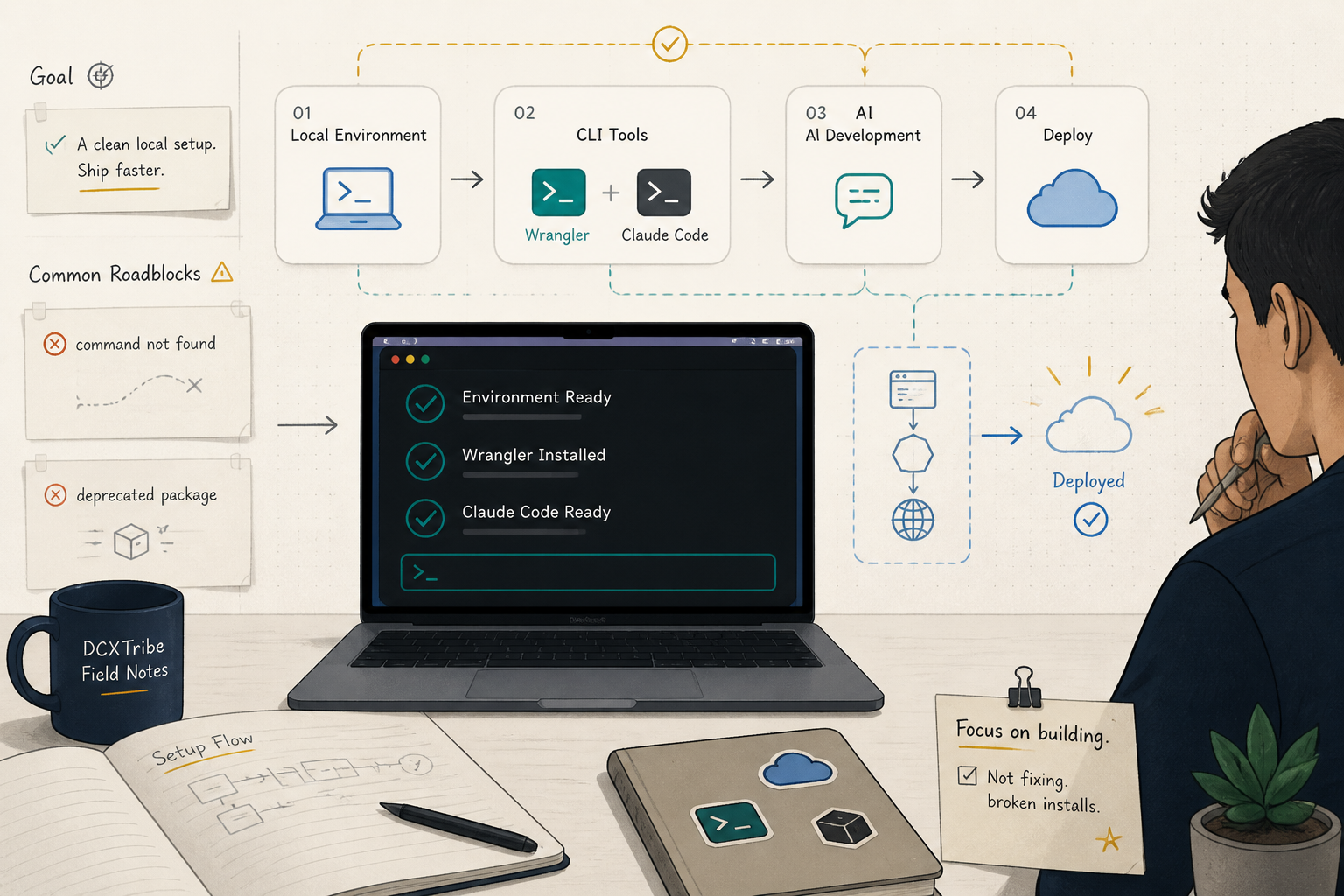
How to Set Up Wrangler and Claude Code on a Mac: A Simple Guide
Master your local AI development environment by installing Wrangler and Claude Code on macOS. This step-by-step guide walks you through the proper installation of Cloudflare’s deployment tools and Anthropic’s terminal assistant, including critical fixes for common path errors and deprecated package versions.
Read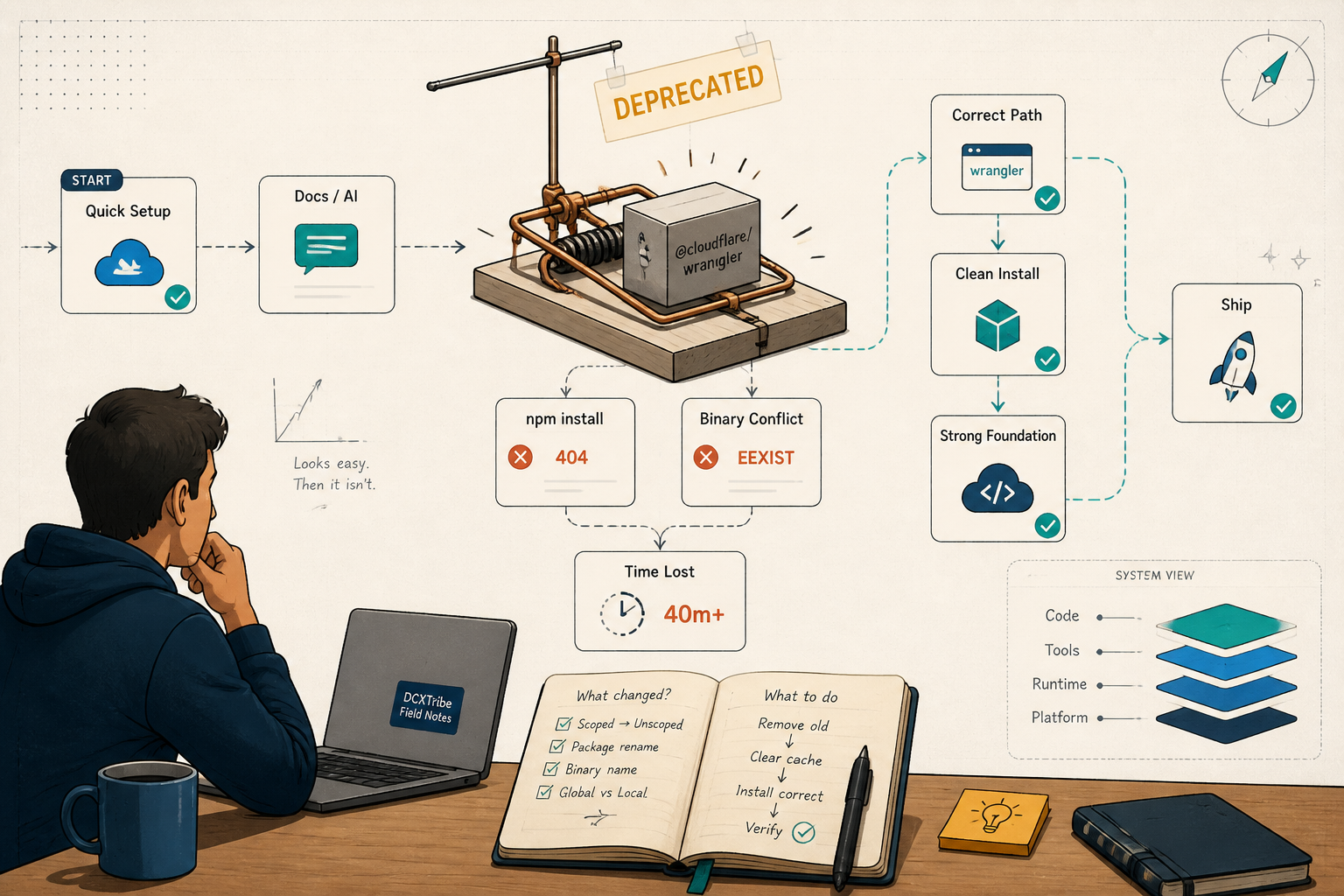
Field Notes: The Wrangler v1 Trap
A five-minute Cloudflare Workers setup can quickly spiral into a forty-minute debugging session when old documentation leads you into the 'Wrangler v1 Trap.' This field note breaks down why the deprecated @cloudflare/wrangler package fails with 404 errors and how to resolve the EEXIST binary conflicts that often follow.
Read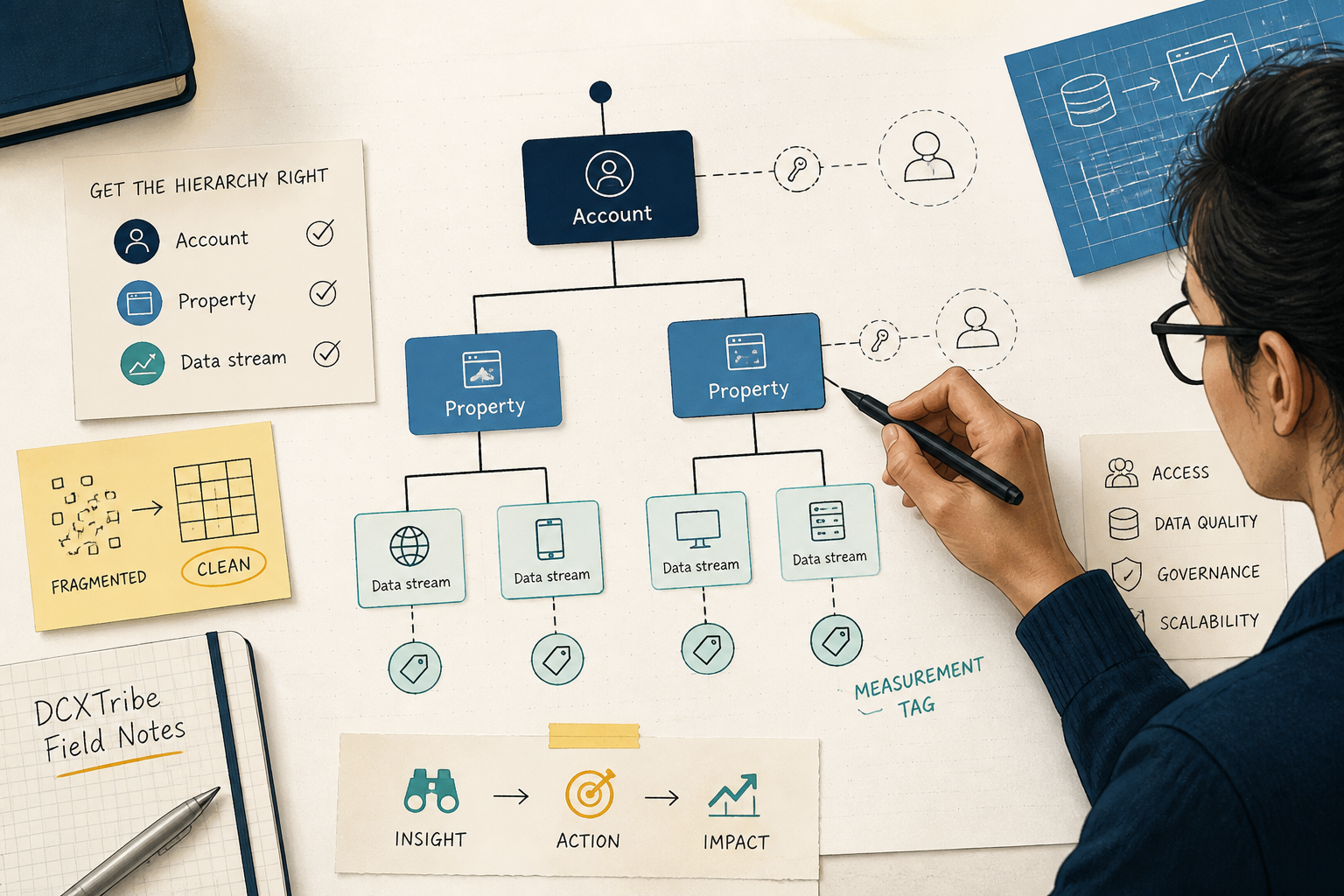
How to Create a GA4 Property (and Why Account vs Property Trips People Up)
Most Google Analytics setup issues aren't about the buttons you click, but the hierarchy you build. This guide clarifies the crucial distinction between GA4 accounts and properties and provides a streamlined walkthrough for setting up your data streams correctly the first time.
Read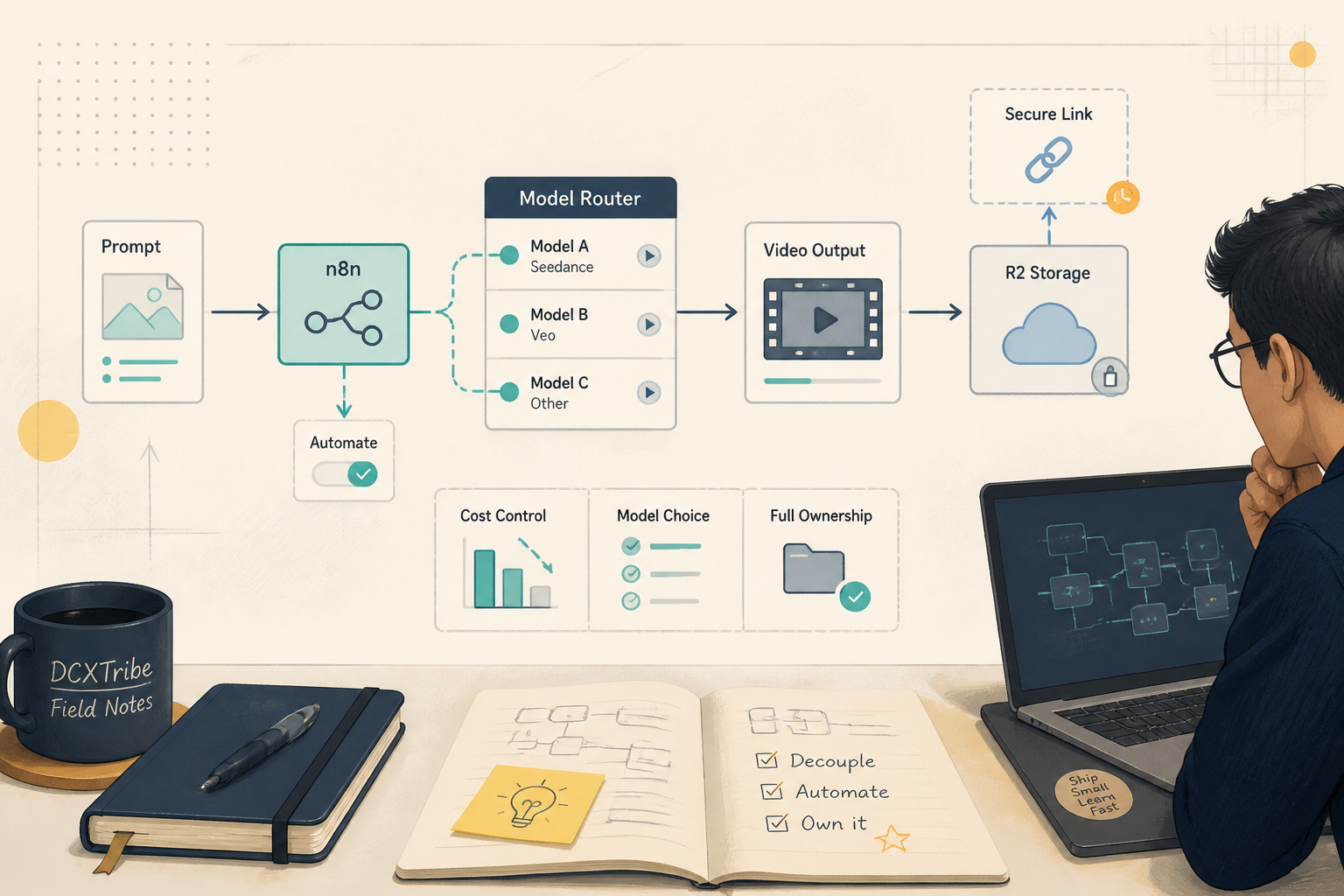
How to Build an AI Video Generation Pipeline with n8n, OpenRouter, and Cloudflare R2
Tired of expensive AI video subscriptions? Learn how to build a flexible, pay-as-you-go video generation pipeline using n8n and OpenRouter. This guide shows you how to programmatically generate videos with models like Seedance and Veo, then automatically archive the files to your own Cloudflare R2 storage with secure, time-limited access URLs.
Read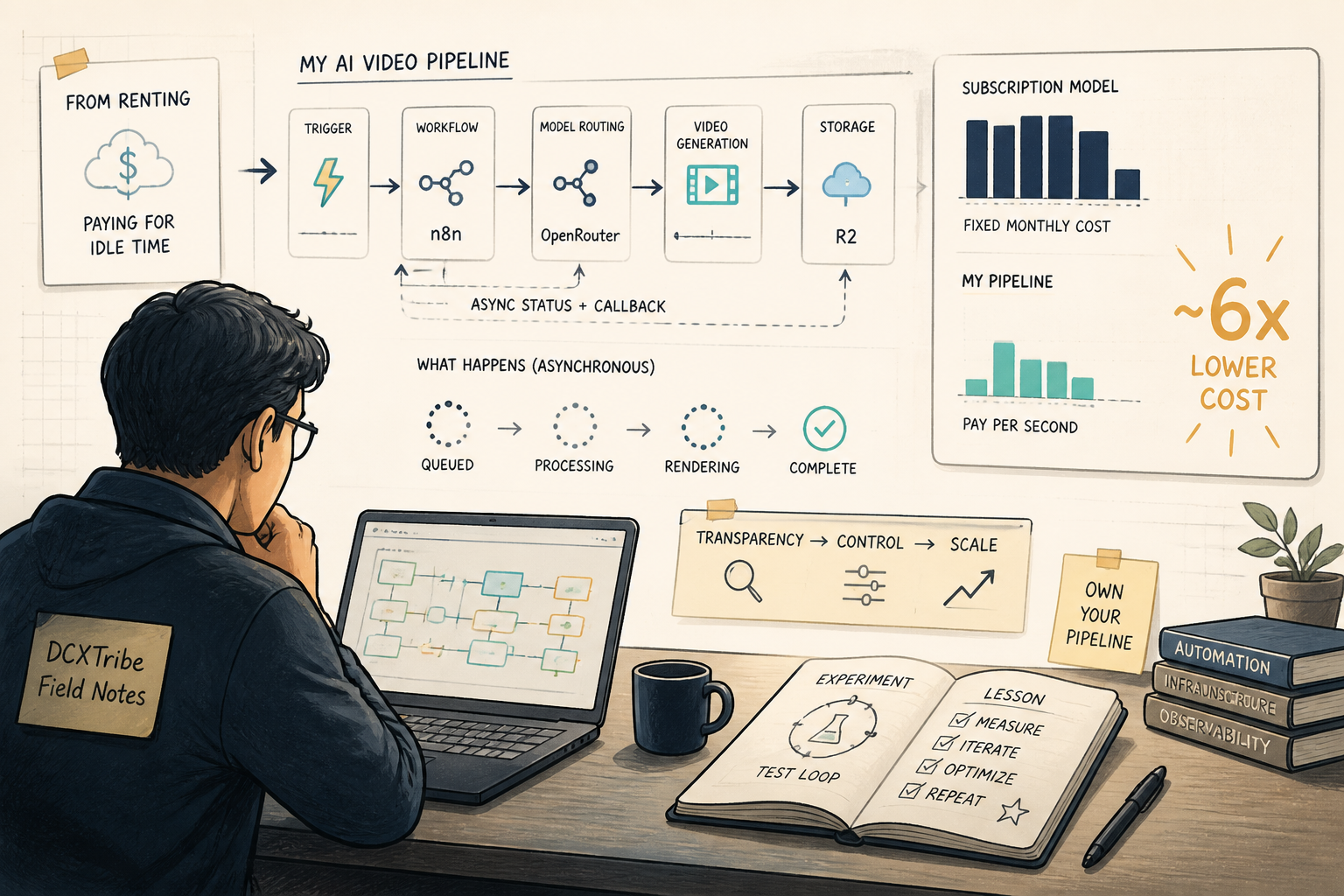
Building My Own AI Video Generation Pipeline — and Why It Costs 6x Less Than a Subscription
Tired of paying for AI video subscriptions that charge you even when you aren't active? This experiment details how to build a self-hosted video generation pipeline using n8n, OpenRouter, and Cloudflare R2. Discover the technical hurdles of async video processing and a real-world cost breakdown that reveals how choosing the right model can save you 6x on every generation.
Read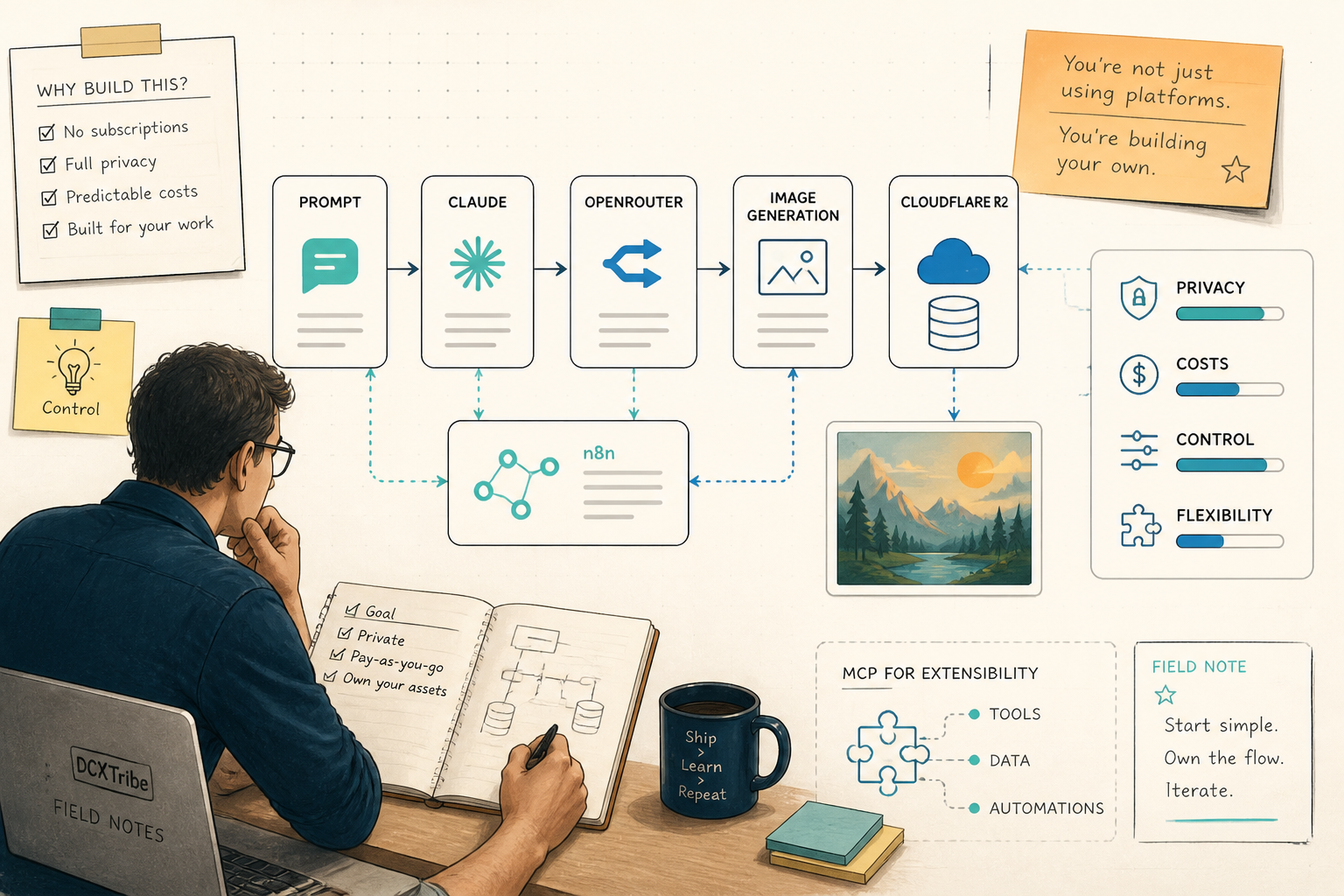
How to Generate AI Images from Claude Using OpenRouter, n8n, and Cloudflare R2
Tired of monthly image generation subscriptions? Learn to build a private, pay-per-image pipeline using Claude, n8n, and Cloudflare R2. This guide shows you how to generate professional AI images via OpenRouter and store them securely in your own S3-compatible cloud storage, keeping your assets private and your costs minimal.
Read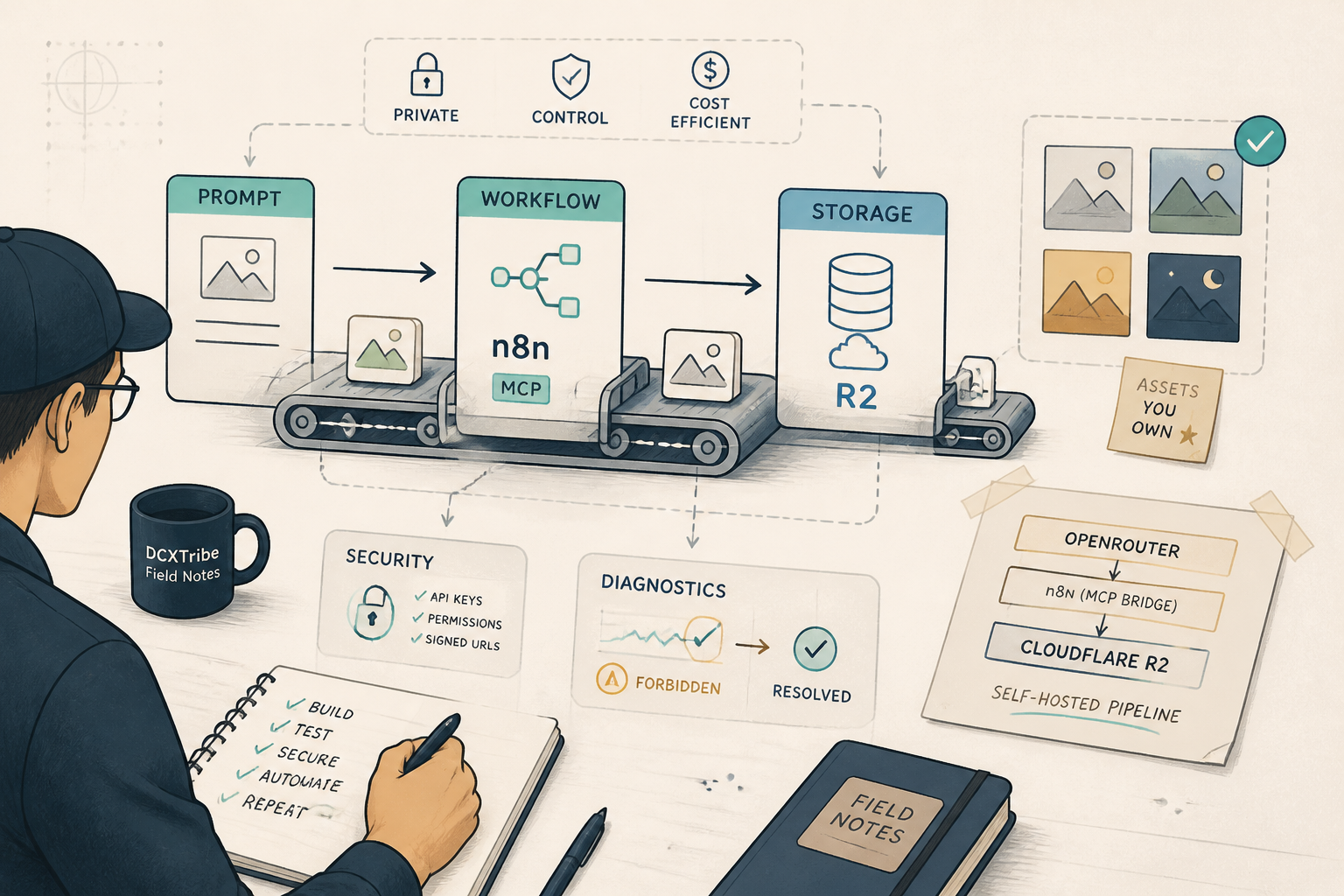
Field Notes: Building a Self-Hosted Image Generation Pipeline with OpenRouter, n8n, and Cloudflare R2
Go behind the scenes of a 5-hour build session to create a private image generation pipeline. Using n8n as an MCP bridge, this guide details how to bypass subscription lock-in by routing OpenRouter API calls into Cloudflare R2 storage, complete with security hardening and troubleshooting for "Forbidden" R2 errors.
Read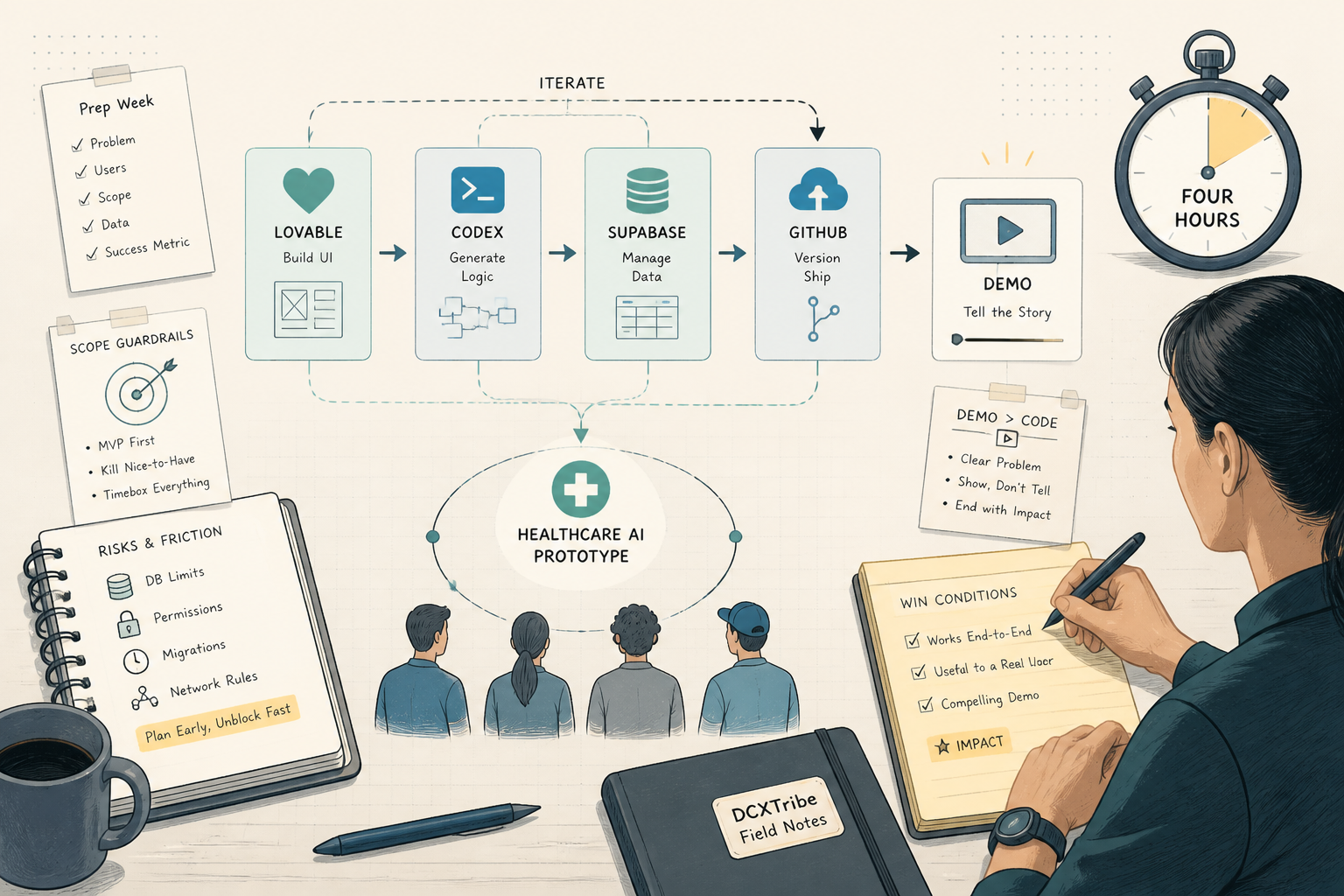
Field Notes: Running a Four-Person Hackathon with Lovable, Codex, and a Marathon Runner
A post-event breakdown of building a healthcare AI prototype in four hours using Lovable, GitHub, and Codex. This field note explores the critical importance of prep-week scoping, the friction points of managed database environments, and why your demo video is more important than your codebase.
Read
Building the BWAI Community Landing Page in a Single Session
Go behind the scenes of a high-speed build for the Build With AI (BWAI) community. Using v0, Next.js, and Vercel, this experiment demonstrates how to move from a blank screen to a live, proof-based landing page in a single session by prioritizing momentum over perfection.
Read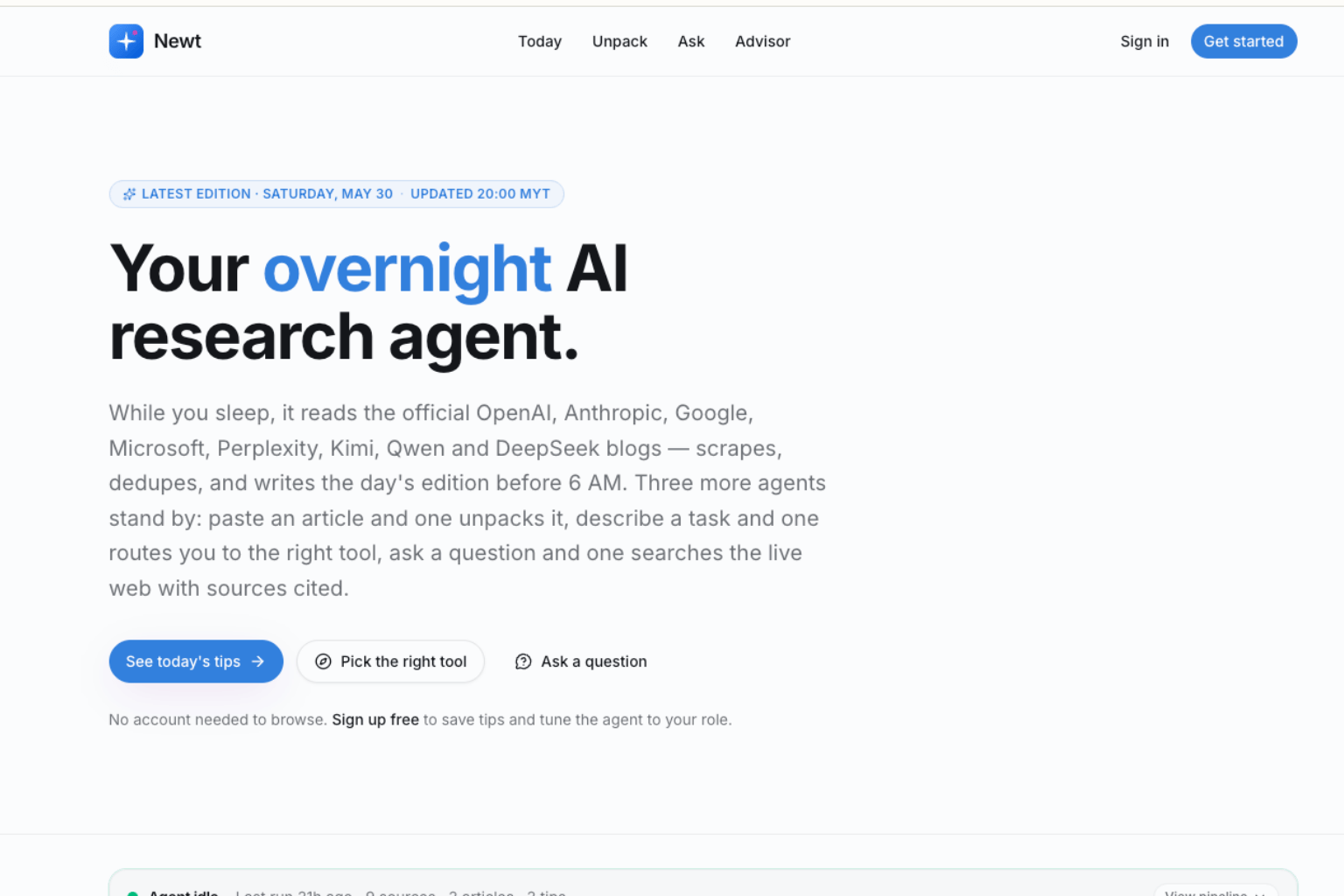
Experiment Note: Can an AI Agent Turn AI Updates Into Practical Work Tips?
Follow the journey of building Newt, an AI research agent developed during a Vercel hackathon to solve AI information overload. This experiment explores how to move beyond generic news alerts by creating role-specific, actionable "work tips" that translate the latest AI developments into immediate workplace utility.
Read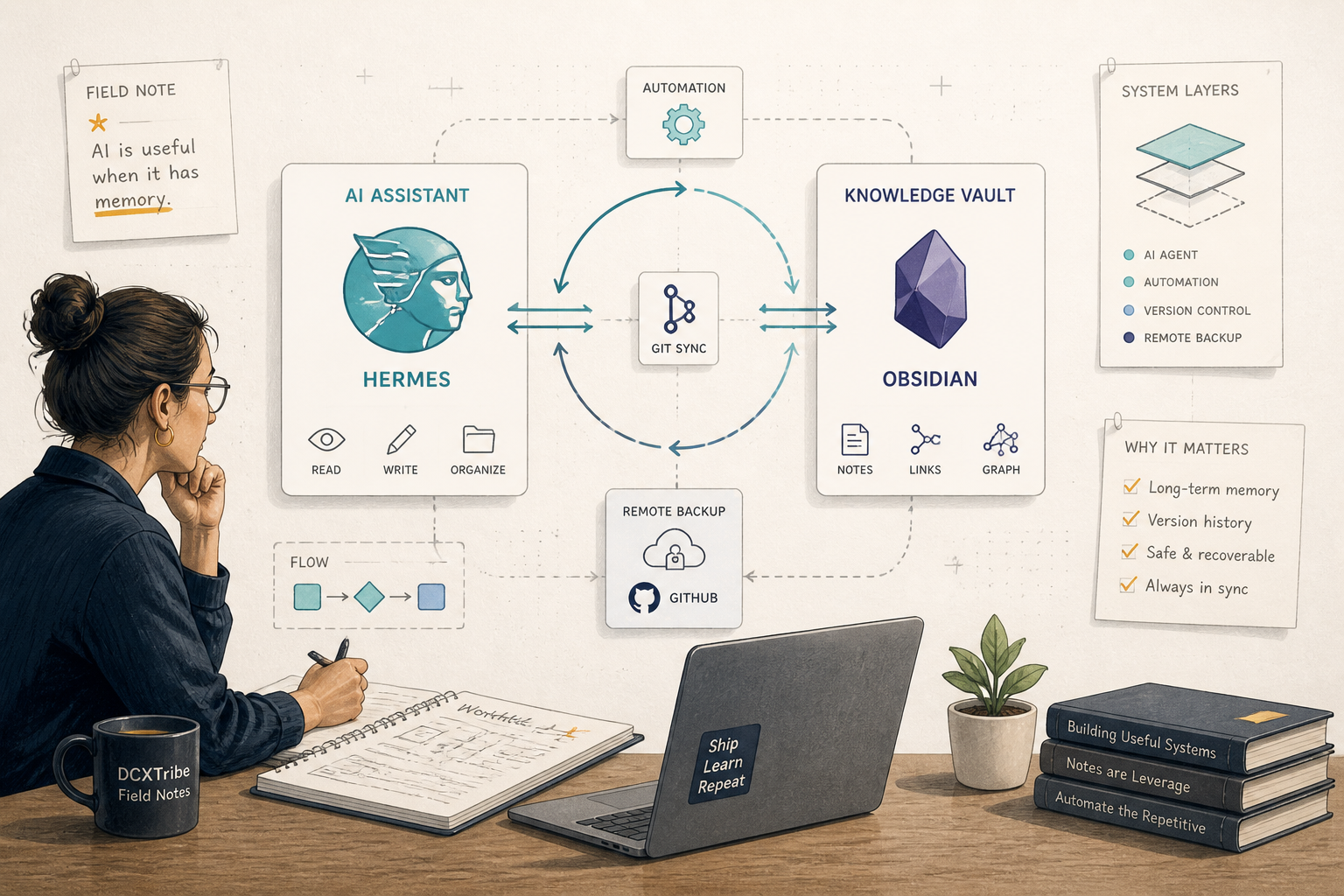
AI Guide: How to Connect Hermes to Obsidian with Git Sync
Learn how to bridge the gap between AI agents and personal knowledge management. This step-by-step guide walkthroughs connecting Hermes to an Obsidian vault using Git and GitHub, ensuring your notes are backed up, versioned, and accessible to your AI assistant without security risks.
Read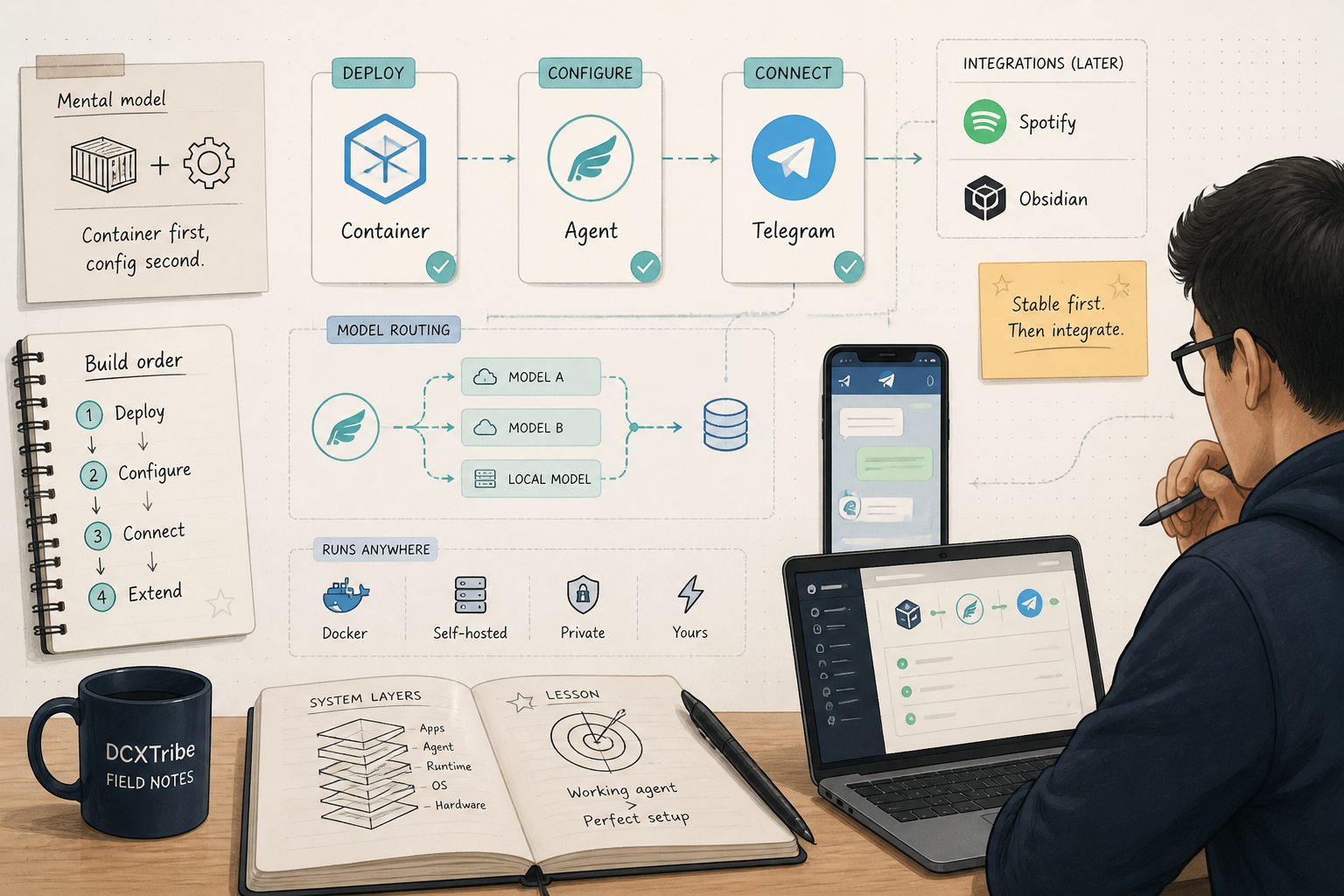
AI Guide: How to Set Up Hermes on Coolify
Setting up Hermes on Coolify requires a shift in mindset: let the container run the app, but let Hermes configure itself. This guide provides a step-by-step workflow for deploying Hermes, configuring model routing via the terminal, and connecting it to Telegram for mobile access.
Read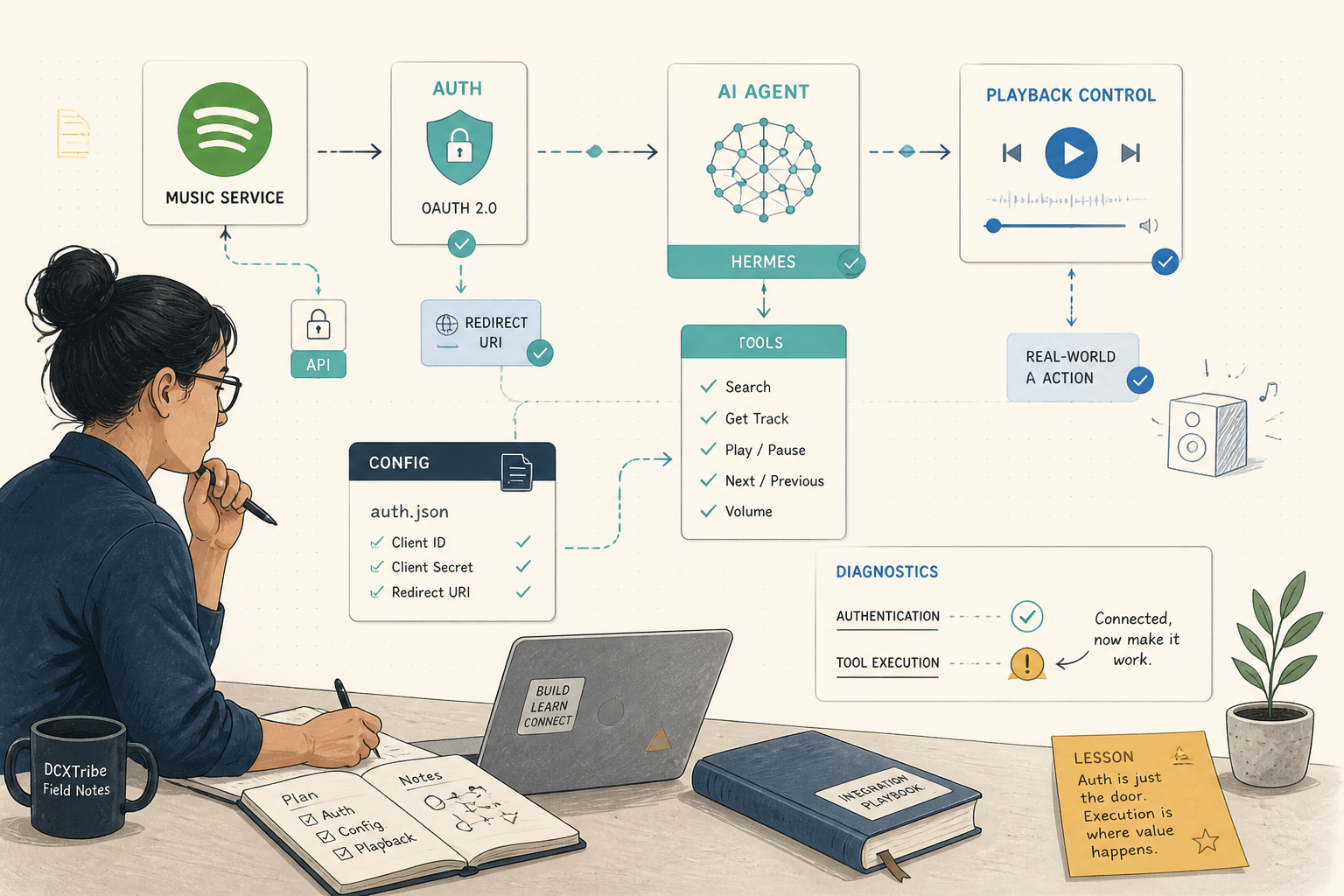
AI Guide: How to Connect Spotify to Hermes
Unlock music control within your AI agent by connecting Spotify to Hermes. This step-by-step guide walks you through OAuth setup, Redirect URI troubleshooting for remote servers, and ensuring your auth.json file is correctly configured for playback success.
Read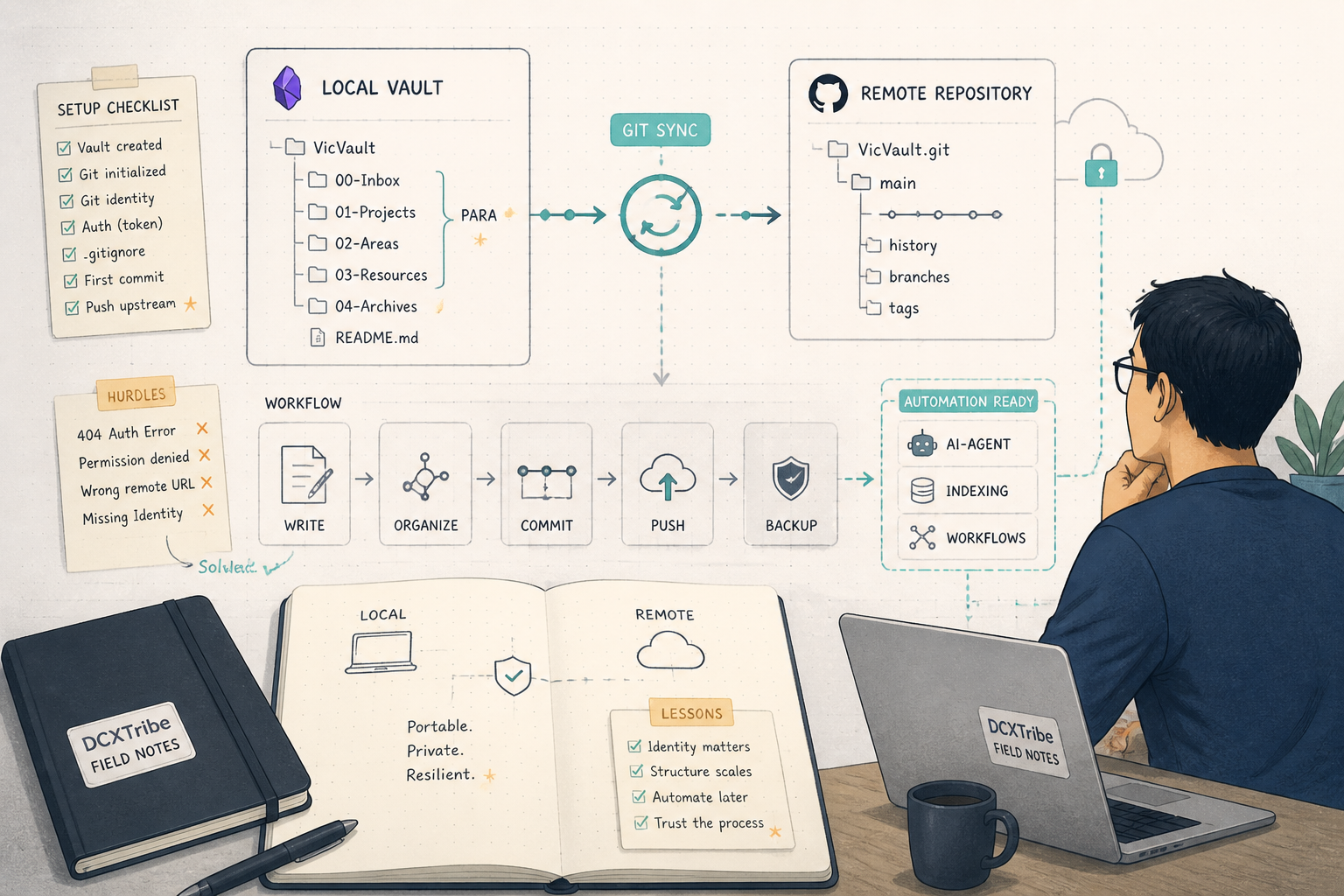
Field Notes: Setting Up Obsidian Git Sync for vaultname
Setting up an Obsidian vault with Git sync involves more than just installing a plugin. This field note documents the journey of configuring a private GitHub repository, handling authentication hurdles like PAT and Git identity, and establishing a robust PARA-based structure for AI-enhanced workflows.
Read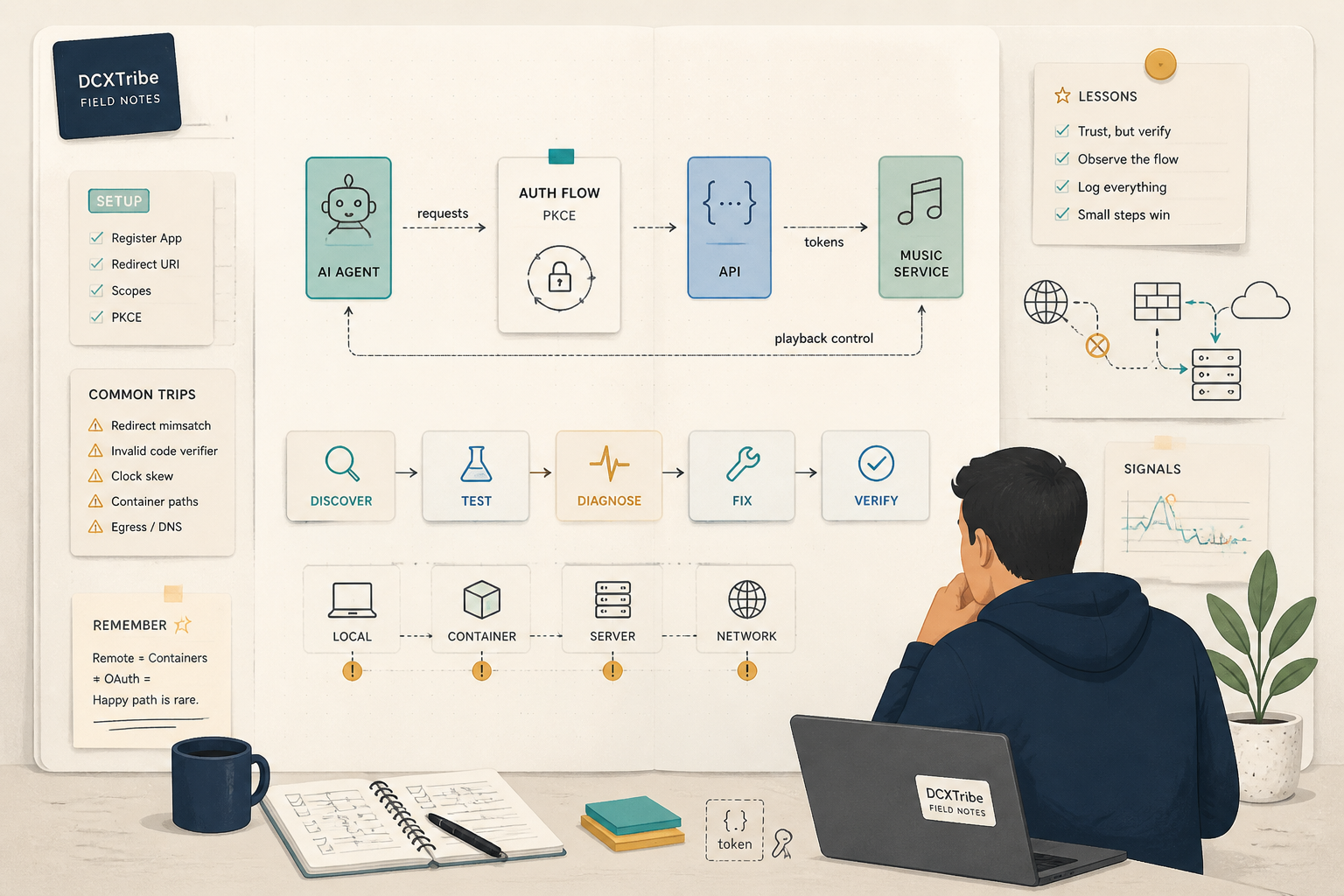
Field Notes: Connecting Spotify to Hermes
Real-world troubleshooting of connecting an AI agent to Spotify. This note documents the technical hurdles of remote OAuth flows, PKCE manual callback capture, and correcting JSON structures within containerized file paths to move from 'logged out' to active playback.
Read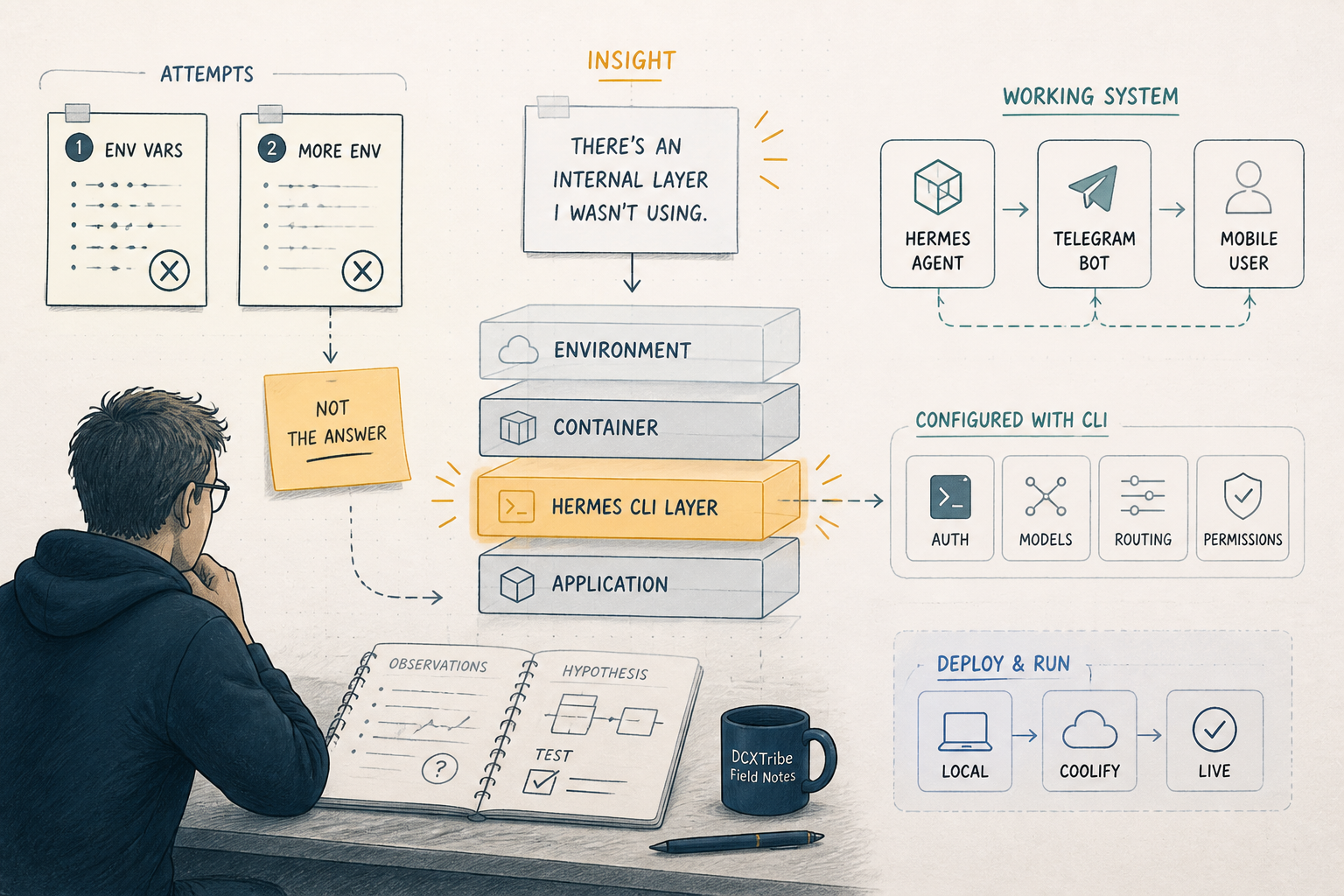
Post 3: Finally Got Hermes Working — The One Layer I Couldn't See Until Claude Showed Me
After two failed attempts to get the Hermes Agent fully operational, the breakthrough finally arrived—not through more environment variables, but by questioning a fundamental assumption. This post details how to move past 'env soup' to properly configure Hermes using its internal CLI, resolving authentication errors and model routing issues once and for all.
Read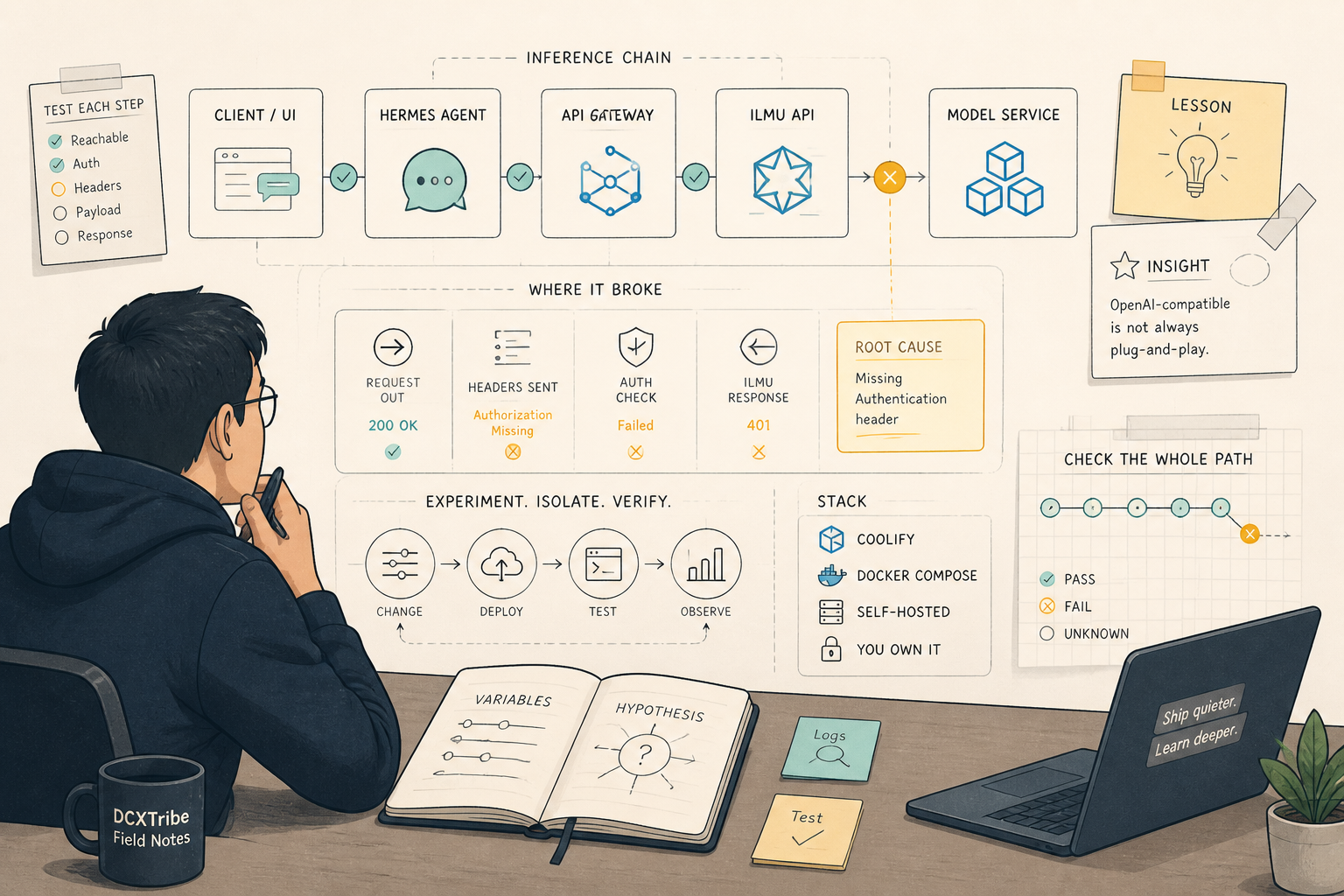
Post 1 : Trying to Use ILMU with Hermes on Coolify — What Worked, What Failed, and What I Learned
Explore a technical teardown of integrating the Hermes Agent with the ILMU API on Coolify. This field note details the configuration successes, the 'Missing Authentication header' failures, and why 'OpenAI-compatibility' isn't always plug-and-play across different AI tools.
Read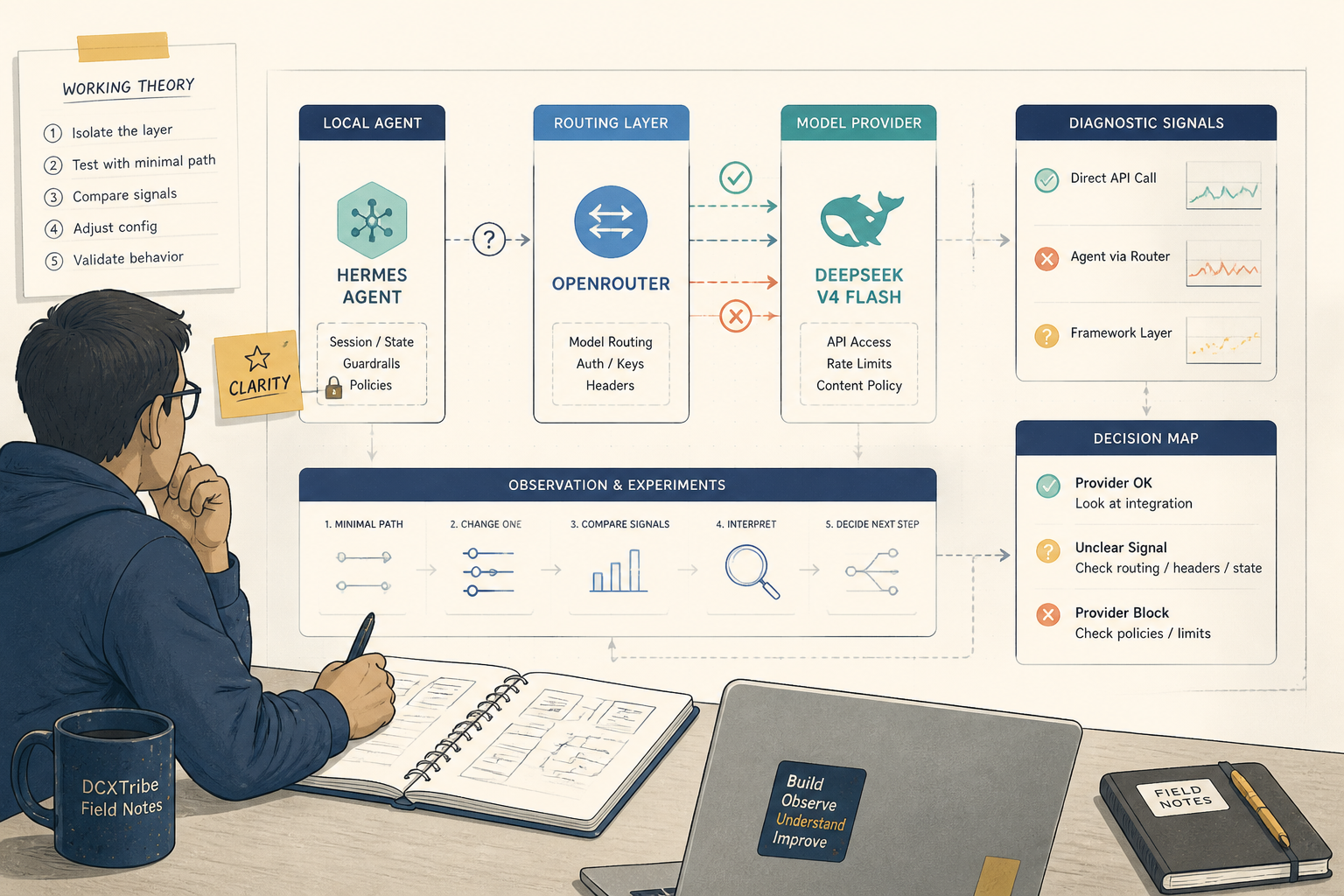
Post 2 : Moving from ILMU to OpenRouter + DeepSeek with Hermes — Better Diagnostics, But Still Not Fully Working
After hitting authentication walls with ILMU, this technical deep dive explores transitioning to OpenRouter to gain better visibility into model routing. While direct API calls to DeepSeek V4 Flash succeeded, the integration with the Hermes Agent backend revealed deeper complexities regarding guardrails, data policies, and persistent session states.
ReadGet one practical note you can use.
Join DCXTribe Field Notes for practical AI workflows, leadership lessons, speaking reflections, and build-in-public updates.
No hype. No spam. Just practical notes from the journey.